
Current Scholars
Meet this year’s exceptional scholars who are driving implementation of effective strategies to raise awareness of diagnosis in medicine, support diagnostic excellence, and reduce diagnostic errors at the national level. If you would like to connect with any of them, please contact us.
Akshar Abbott, M.D.
Veterans Health Administration/ U.S. Department of Veterans Affairs
Raja-Elie Abdulnour, M.D.
Massachusetts Medical Society/NEJM Group and Brigham and Women’s Hospital
Cecilia Canales, M.D., M.P.H.*
University of California, Los Angeles
Christina Cifra, M.D., M.S.
Boston Children’s Hospital and Harvard Medical School
Bharti Khurana, M.D., M.B.A.
Brigham and Women’s Hospital/Harvard Medical School
Brandon Maughan, M.D., M.H.S., M.S.H.P.
Oregon Health & Science University
Anand Narayan, M.D., Ph.D.
University of Wisconsin-Madison
Vinita Parkash, M.B.B.S., M.P.H.
Yale University School of Medicine
Susan Peterson, M.D.
Johns Hopkins University School of Medicine
Valerie Vaughn, M.D., M.Sc.
University of Utah School of Medicine
*Supported by The John A. Hartford Foundation to advance diagnostic excellence and equity for older adults
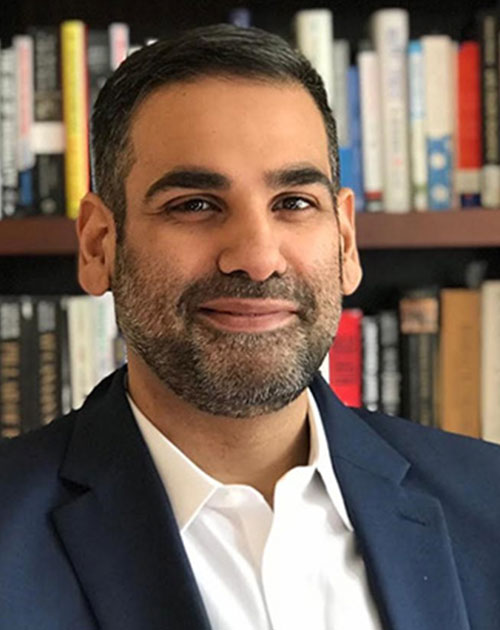
Akshar Abbott, M.D.
Veterans Health Administration/ U.S. Department of Veterans Affairs
Dr. Abbott is a board-certified ophthalmologist and medical retina specialist at Veterans Affairs (VA) Veterans Integrated Service Network 23, with a focus on tele-ophthalmology in rural communities through the Technology-based Eye Care Service to bring critical retina subspecialty services to Veterans across the rural Midwest. In addition to his primary clinical role, he is a VA-MIT Catalyst Fellow focused on healthcare innovation and a graduate student in epidemiology at the Harvard T. H. Chan School of Public Health.
Dr. Abbott works across the disciplines of telehealth, digital health innovation, and rural health to design and deploy high-quality ophthalmic subspecialty care programs in areas of critical need. He is passionate about the intersection of innovation, health equity, and telemedicine, as well as public-sector health technology innovation, especially in service building the future of healthcare for all Veterans and all Americans.
Dr. Abbott earned his B.A., B.S., and M.D. from the University of Pittsburgh. After ophthalmology residency at the University of Pittsburgh Medical Center, he completed his medical retina fellowship at the National Institutes of Health. He is a 2023 Veterans Health Administration Entrepreneur-in-Residence Innovation Fellow focused on building an all-of-government approach to healthcare innovation.
Proposal: Promoting Health Equity and Diagnostic Excellence for Eye Care in Rural Communities Using Collaborative Models of Ocular Telehealth
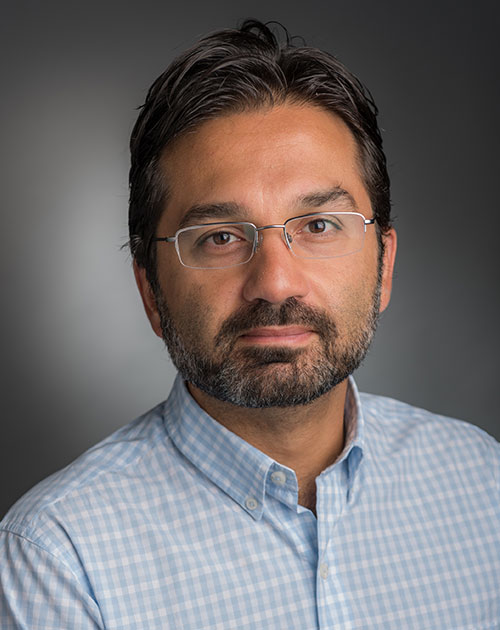
Raja-Elie Abdulnour, M.D.
Massachusetts Medical Society/NEJM Group and Brigham and Women’s Hospital
Dr. Abdulnour is a pulmonary and critical care physician, scientist, and educator. He currently serves as the Director of Educational Innovation at the New England Journal of Medicine (NEJM) Group. In this role, he pursues novel medical educational approaches and has developed NEJM Healer, a screen-based diagnostic reasoning simulator designed for clinical students of all specialties that provides feedback to learners, coaching opportunities to educators, and quantitative and formative assessments to identify growth opportunities. Dr. Abdulnour also serves as a part-time assistant professor of medicine in the Division of Pulmonary and Critical Care Medicine at the Brigham and Women’s Hospital. In addition, he attends the medical intensive care unit at the Brigham and Women's Hospital and precepts pulmonary fellows in the outpatient pulmonary fellowship clinic.
Dr. Abdulnour’s clinical interests include acute lung injury, pneumonia, Acute Respiratory Distress Syndrome (ARDS), lung toxicity from drugs, asthma, respiratory failure, critical illness, sepsis, lung cancer, and pulmonary complications from cancer. As a scientist and innovator, Dr. Abdulnour has conducted basic and translational research in the molecular and cellular mechanisms for resolution of inflammatory lung diseases, such as ARDS and asthma, for many years. As a lifelong proponent of simulation to augment deliberate practice, he has worked with the NEJM to create and develop a free novel screen-based simulation application called the “Covid-19 Rx: Treatment Simulations,” which employs gamification strategies to optimize learning and engagement for physicians to improve their clinical skills.
Dr. Abdulnour received his B.S. and M.D. from the American University of Beirut in Lebanon. He completed his residency in internal medicine at the Johns Hopkins Hospital and fellowship in pulmonary and critical care medicine at Harvard Medical School.
Proposal: Classification of Diagnostic Reasoning Skills with Machine Learning for Precision Education
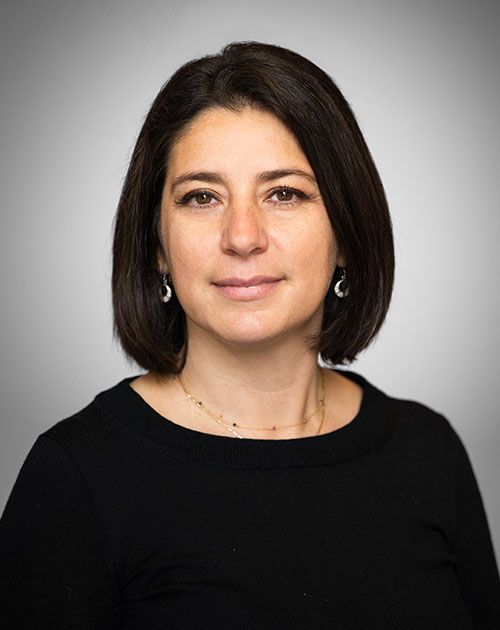
Cecilia Canales, M.D., M.P.H.*
University of California, Los Angeles
Dr. Canales is an assistant professor in the Department of Anesthesiology and Perioperative Medicine at the University of California, Los Angeles (UCLA) David Geffen School of Medicine. In this role, she has focused her academic development towards patient-oriented outcomes research in older adult surgical patients. Dr. Canales is specifically interested in frailty and factors that contribute perioperative neurocognitive disorders (PND).
Dr. Canales has been a National Institute of Aging Butler Williams Scholar and has received funding through the UCLA Resource Centers for Minority Aging Research Center for Health Improvement of Minority Elderly (RCMAR/CHIME) program. Dr. Canales has developed and implemented a diagnostic accuracy study to identify if Point-of-Care ultrasound measurements can be used to discriminate between frail and not frail patients to predict postoperative outcomes. Dr. Canales’s program aims to advance language equity in PND, since those whose primary language is not English are often excluded from PND studies. Dr. Canales’s work aims to bridge this gap to better understand the needs and treatment strategies of this vulnerable patient population.
Dr. Canales earned her M.D. from the University of California, Irvine and completed her residency in Anesthesiology at UCLA. She earned her M.P.H from A.T. Still University School of Health Management and is completing her M.S. in Clinical Research at UCLA.
Proposal: Advancing Language Equity in Diagnosing Perioperative Neurocognitive Disorders
*Supported by The John A. Hartford Foundation to advance diagnostic excellence and equity for older adults
 Christina Cifra, M.D., M.S.
Boston Children’s Hospital and Harvard Medical School
Dr. Cifra is a health services and patient safety researcher in the field of diagnostic excellence in pediatrics and critical care. She currently serves as an attending pediatric intensivist in the Division of Medical Critical Care at Boston Children’s Hospital and is a member of the faculty of pediatrics at Harvard Medical School. She is also the current Chair of the Research Committee of the Society to Improve Diagnosis in Medicine (SIDM) and is an Associate Editor for Diagnosis, the premier journal of SIDM for diagnostic safety research.
Dr. Cifra has published foundational studies on the frequency and causes of diagnostic error in the pediatric intensive care unit (PICU) and has proposed a unified research agenda for diagnostic excellence in critical care medicine. She is currently investigating diagnostic error and the role of diagnostic uncertainty in the assessment of critically ill children on PICU admission and is conducting ethnographic work in the PICU to delineate the influence of referral communication on the PICU diagnostic process. Dr. Cifra is also leading innovative work on diagnostic process handoffs across institutions, which includes studies aiming to standardize referral communication for inter-facility transfers to the PICU and improve feedback to PICU-referring clinicians.
Dr. Cifra received her B.S. and M.D. from the University of the Philippines. She completed pediatric critical care fellowship at the Johns Hopkins Hospital and received formal quality improvement training as a resident scholar at the Johns Hopkins Armstrong Institute for Patient Safety and Quality. Dr. Cifra completed her M.S. in translational biomedicine, focusing on translation to populations, at the University of Iowa Carver College of Medicine.
Proposal: I-PASS-to-PICU: Effective Communication to Bridge the Diagnostic Process Across Inter-facility Transitions to a Higher Level of Care
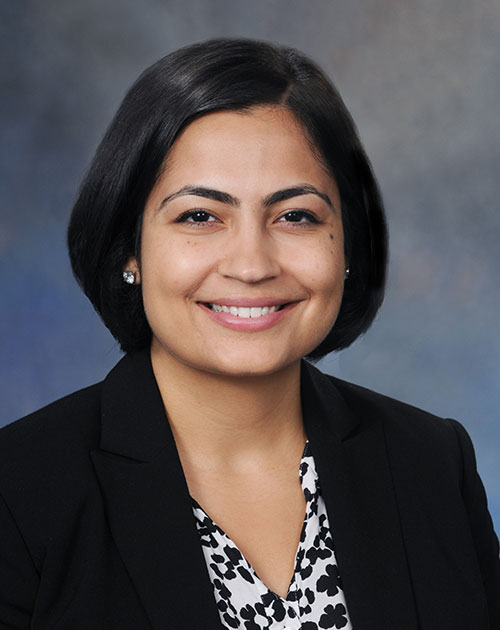
Bhavika Kaul, M.D., M.A.S.
Veterans Affairs Center for Innovation in Quality, Effectiveness and Safety and Baylor College of Medicine
Dr. Kaul is an investigator at the Veterans Affairs (VA) Center for Innovation in Quality, Effectiveness and Safety, a staff physician in pulmonary and critical care medicine at the Michael E. DeBakey VA Medical Center, and an assistant professor of medicine at Baylor College of Medicine.
Dr. Kaul’s scholarship centers on improving timely access to subspecialty care for Veterans with pulmonary fibrosis. Her current research leverages “big data” generated from electronic health records to reduce missed opportunities for diagnosis, characterize barriers and facilitators to care, and evaluate the implementation of artificial intelligence for surveillance and care pathway optimization, with the long-term goal of improving clinical outcomes for patients with lung disease. She is funded by the National Heart Lung and Blood Institute, the Pulmonary Fibrosis Foundation, the Department of Defense, and the Nina Ireland Foundation for Lung Health.
Dr. Kaul earned her B.S. from Rice University and her M.D. from Baylor College of Medicine. She completed residency in internal medicine at Baylor College of Medicine, where she served as chief resident, and fellowship in pulmonary and critical care medicine at the University of California, San Francisco (UCSF), where she served as chief fellow. Dr. Kaul completed additional advanced fellowships in interstitial lung disease and health services research at UCSF. Dr. Kaul is board certified in internal medicine, pulmonary, and critical care medicine.
Proposal: Lung Texture Analysis: A Novel Machine Learning Tool to Reduce Diagnostics Delays Among Veterans with Pulmonary Fibrosis
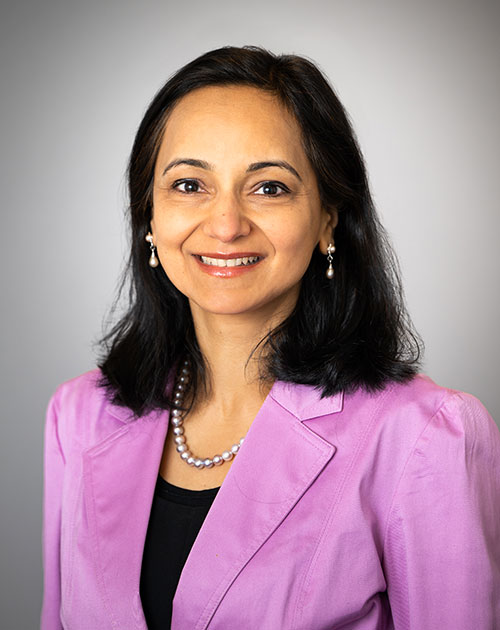
Bharti Khurana, M.D., M.B.A.
Brigham and Women’s Hospital/Harvard Medical School
Dr. Khurana is the founding director of the Trauma Imaging Research and Innovation Center at the Brigham and Women’s Hospital. She is also an associate professor of radiology at Harvard Medical School and an emergency radiologist at the Brigham and Women’s Hospital. She is the director of the Intensive Review of Emergency Radiology CME course at Harvard Medical School and a research faculty in the Department of Medicine at Brigham and Women’s Hospital. Dr. Khurana is a fellow of the American College of Radiology and the American Society of Emergency Radiology.
Dr. Khurana is an NIH-funded physician-scientist focusing on developing novel machine-learning tools that have the potential to revolutionize the early detection and prevention of interpersonal violence and traumatic injuries. Her clinical and research efforts involve accurate and meaningful imaging interpretation with rapid application of clinical knowledge for patients in the emergency department.
Dr. Khurana graduated from the Maulana Azad Medical College in New Delhi, India, and completed her residency in diagnostic radiology and fellowship in musculoskeletal radiology at the Brigham and Women’s Hospital. She holds an M.B.A. from the Massachusetts Institute of Technology Sloan School of Management.
Proposal: Uncovering the Imaging, Clinical, and Social Diagnostic Determinants of Intimate Partner Violence
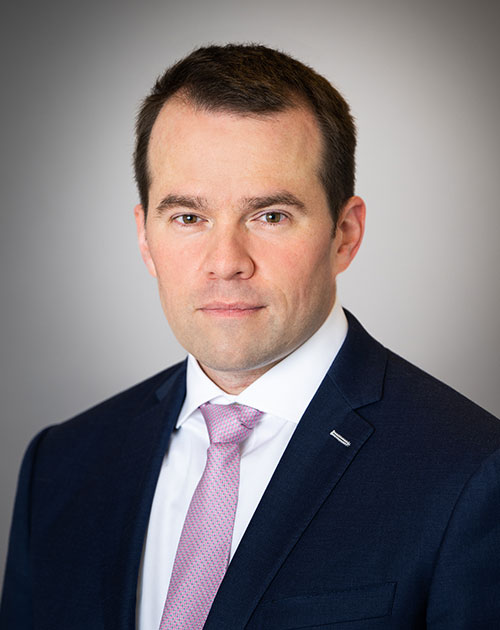
Brandon Maughan, M.D., M.H.S., M.S.H.P.
Oregon Health & Science University
Dr. Maughan is an associate professor in the Department of Emergency Medicine at Oregon Health & Science University (OHSU). Diagnosis and treatment of pulmonary embolism (PE) are the central focus of Dr. Maughan’s current research. To better understand the sex-based disparities in the diagnosis of PE, Dr. Maughan is working with an international research group to examine differences in the performance of PE risk-stratification tools between men and women. He is also conducting a mixed-methods study on patients’ decision to pursue outpatient treatment of PE, including assessment of emergency department patients’ preferences and their physicians’ perceptions of risk. Lastly, to measure the impact of changing these approaches to PE diagnosis and treatment, Dr. Maughan is developing a decision analysis and cost-effectiveness analysis model to estimate the effects on patient outcomes and costs.
Dr. Maughan’s research training has primarily focused on epidemiology, study design, regression analysis, and experimental quantitative methods for health services research. He is currently aiming to identify biological (sex-based) and behavioral (gender-based) differences in diagnosis and treatment of acute cardiopulmonary disease in the emergency care setting, with the aim of developing interventions to improve patient outcomes and equity of care.
Dr. Maughan earned his B.S. from Stanford University. After completing postgraduate training in health policy at the Johns Hopkins Bloomberg School of Public Health, Dr. Maughan attended medical school at Case Western Reserve University and completed his residency and chief residency at Brown University/Rhode Island Hospital. He continued his training through the Robert Wood Johnson Foundation Clinical Scholars Program at the University of Pennsylvania, where he also completed a master’s degree in policy research and served as a fellow at the Leonard Davis Institute for Health Economics.
Proposal: Identifying Gender and Racial Implicit Bias to Improve Diagnosis of Pulmonary Embolism
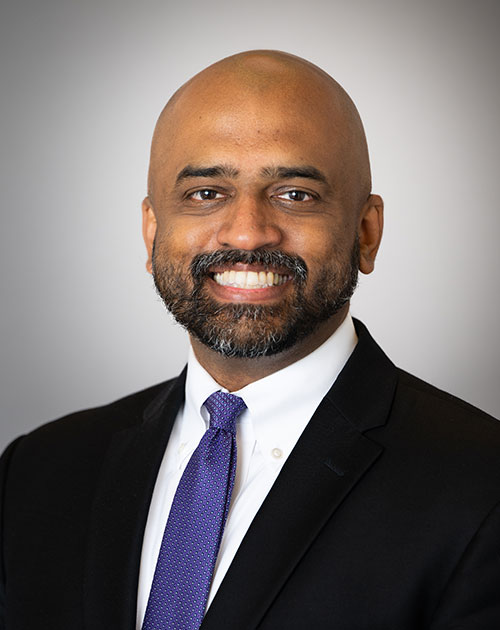
Anand Narayan, M.D., Ph.D.
University of Wisconsin-Madison
Dr. Narayan is an associate professor in the Department of Radiology at the University of Wisconsin (UW) School of Medicine and Public Health, Section of Breast Imaging, and a member of the UW Health Breast Center. He also serves as the Vice Chair of Equity for the Department of Radiology at UW and an Associate Director for Diversity, Equity and Inclusion at UW Carbone Cancer Center. Dr. Narayan currently serves on the editorial board of Radiology and the Journal of the American College of Radiology. He is an Associate Editor for Health Policy and Practice for the journal Radiology and an Assistant Editor for the Journal of the American College of Radiology and the American Journal of Roentgenology. He is the Vice Chair of the American College of Radiology’s Patient and Family Outreach Committee.
Dr. Narayan has led several research initiatives to improve access to imaging for marginalized patient populations. His clinical, research, and administrative interests focus on equity, diversity and inclusion, with a particular focus on reducing breast cancer disparities through early detection and diagnosis.
Dr. Narayan received his B.A. from the Johns Hopkins University. He completed his M.D. and Ph.D. in epidemiology from the Johns Hopkins University and his radiology residency at the Johns Hopkins Hospital. Dr. Narayan pursued a breast imaging fellowship at the Memorial Sloan Kettering Cancer Center.
Proposal: Leveraging Electronic Medical Records to Reduce Disparities in the Breast Cancer Diagnostic Process
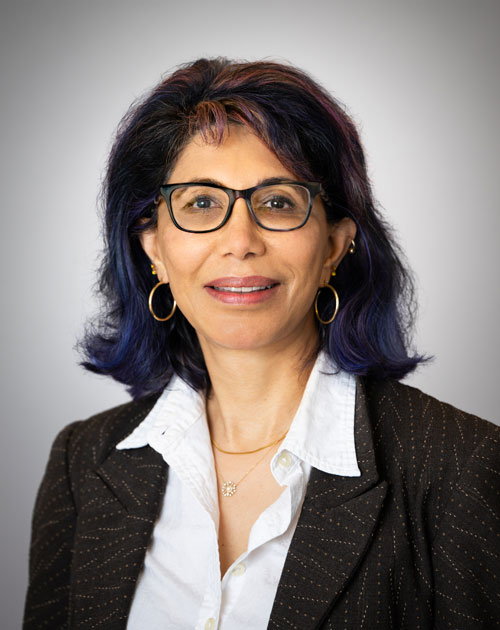
Vinita Parkash, M.B.B.S., M.P.H.
Yale University School of Medicine
Dr. Parkash is an associate professor of pathology, obstetrics, gynecology, and reproductive services at Yale University School of Medicine. Her research interests include pathology services in low resource settings, diagnostic error reduction, improved communication of test results for patients, and improved patient and laboratory workforce engagement. Her research interests in quality improvement and diagnostic excellence have focused on empowering patients to actively participate in their laboratory test management.
Dr. Parkash has collaborated with various organizations dedicated to reducing diagnostic error and improving patient safety, such as the Agency for Healthcare Research and Quality, the Betsy Lehman Patient Safety Center, the College of American Pathologists, and the Leapfrog group. Her current research project focuses on gaining a comprehensive understanding of patient perspectives regarding diagnostic errors, in particular laboratory-test related diagnostic errors, to design and implement processes to prevent and reduce the occurrence of such errors.
Dr. Parkash graduated from the Lady Hardinge Medical College in New Delhi, India. She completed pathology residency at Yale New Haven Health System and oncologic surgical pathology fellowship at the Memorial Sloan Kettering Cancer Center. She holds an M.P.H. from Yale University School of Public Health.
Proposal: Understanding Patient Perspectives for Pathology and Laboratory Medicine Test-Related Diagnostic Errors to Design Processes for Improved Diagnostic Outcomes
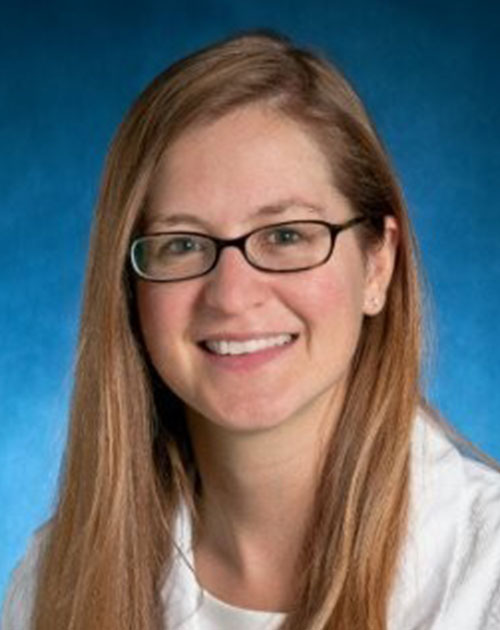
Susan Peterson, M.D.
Johns Hopkins University School of Medicine
Dr. Peterson is an associate professor and associate medical director for patient safety and quality in the Department of Emergency Medicine at the Johns Hopkins University School of Medicine. She is also a core faculty member at the Armstrong Institute for Patient Safety and Quality. Dr. Peterson has co-directed the High Value Practice Alliance, striving to optimize value-based care in her department and institutionally, in addition to national conference work, serving as the abstract chair for the Architecture of High Value Care national conference.
Dr. Peterson’s focused work in diagnostic improvement incudes serving as the team’s core lead with the Johns Hopkins Center for Diagnostic Excellence on several projects, including the creation of a diagnostic tile in the event reporting system, collaborating on a tele-dizzy program to improve the diagnosis of patients with dizziness in the emergency department. Her recently funded work as a co-investigator is a collaboration to develop and validate a proposed measure for stroke misdiagnosis, as well as developing a patient-facing survey to assess patient experience with the diagnostic process.
Dr. Peterson received her B.A. degree from the University of Pennsylvania. She earned her M.D. and completed her residency in emergency medicine at the Johns Hopkins University School of Medicine.
Proposal: Maximizing Individual Diagnostic Feedback in the Emergency Department
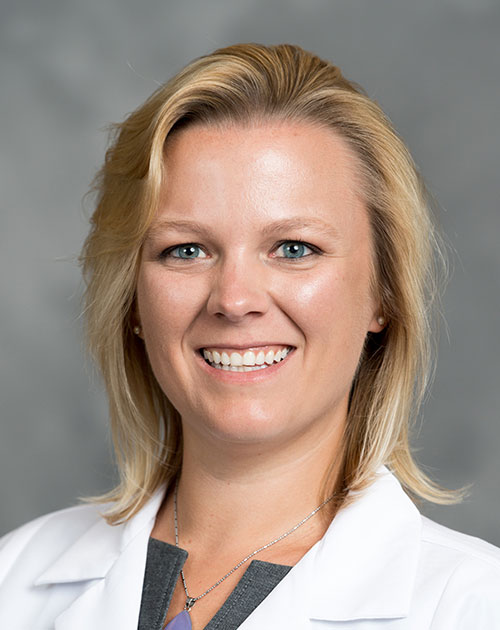
Valerie Vaughn, M.D., M.Sc.
University of Utah School of Medicine
Dr. Vaughn is a practicing hospitalist, an assistant professor of medicine, and the Director of Hospital Medicine Research in the Division of General Internal Medicine within the Department of Internal Medicine at the University of Utah School of Medicine. She also serves as hospitalist lead for the Antimicrobial Use Initiative within the Hospital Medicine Safety Consortium, a 69-hospital focused on improving the care of hospitalized patients. As Director of Hospital Medicine research at the University of Utah, Dr. Vaughn co-directs the Utah Quality Advancement Laboratory, a multi-disciplinary program focused on improving the quality, safety, and equity of healthcare delivery across contexts.
Dr. Vaughn’s research focuses on improving the safety of hospitalized patients with common infections, particularly pneumonia and urinary tract infection. To do so, she has focused on combating diagnostic error and antibiotic overuse, particularly during transitions of care. These interests span various areas, including understanding drivers and appropriateness of use, physician decision-making and cognitive error, and organizational culture.
Dr. Vaughn holds a B.S. from Duke University, an M.D. from the University of Michigan Medical School, and an M.Sc. from the University of Michigan Rackham Graduate School. She completed residency and chief residency at the University of Michigan.
Proposal: Addressing and Reducing Diagnostic Momentum in Hospitalized Adults with Suspected Infection